Back to all news

The future of hospital food and why provenance matters

Published

Food plays a vital role in patient care, supporting nutritional intake, recovery and overall patient experience, whilst helping to meet wider sustainability goals.

Yet delivering nutritious, appealing and sustainable meals in healthcare settings requires collaboration between many different professions, from chefs and dietitians to procurement specialists and food producers. 

These themes were central to the launch of the third edition of The Healthcare Chefs’ Knowledge: Provenance & Seasonality – From Research to Practice, which brought together healthcare chefs, food service dietitians, procurement professionals and NHS supply chain leaders to share ideas and best practice utilising a whole system approach. For healthcare professionals, understanding these connections can support more informed discussions around food, nutrition and sustainable diets. 

AHDB contributed three features to the publication, highlighting UK farming systems, the benefits of nutrient dense foods such as red meat, and the importance of meeting diverse patient needs, including through halal food provision. 

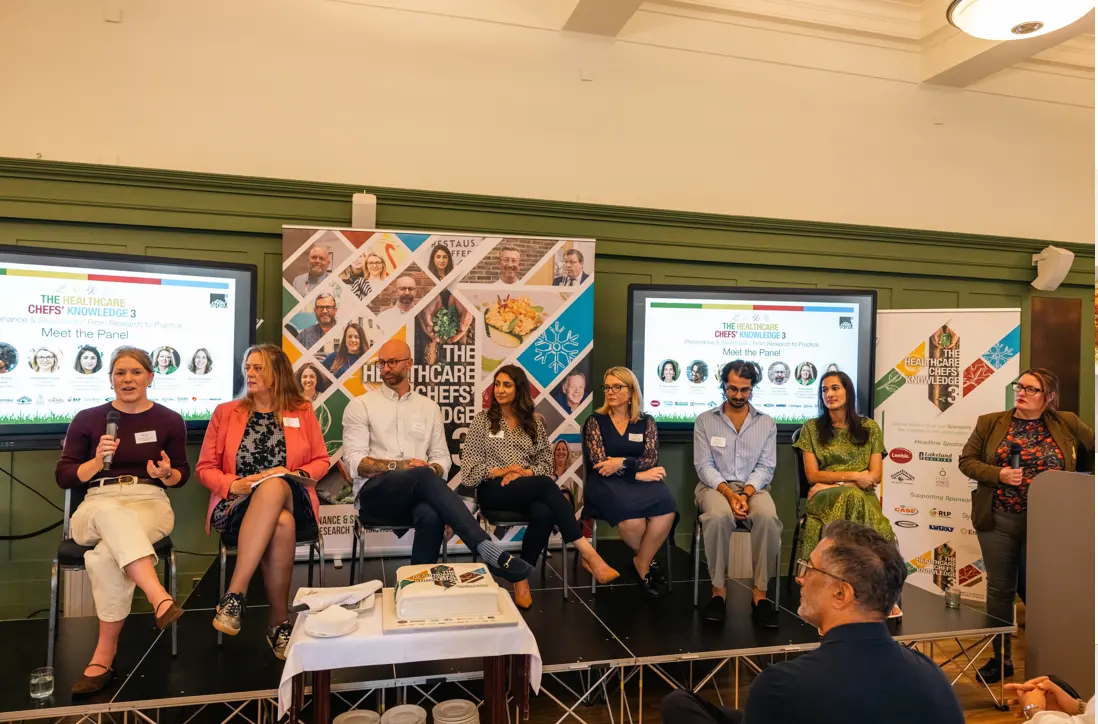
Speakers at the Healthcare Chefs' Knowledge Panel discussion.

Bringing nutrition and sustainability together 

A key message throughout the launch event was that nutrition and sustainability should be considered together rather than in isolation. 

Panel discussions explored the relationship between food, health and patient outcomes, highlighting the importance of making nutritious food appealing, accessible and appropriate for diverse patient populations. Speakers also discussed how seasonality, procurement decisions and waste reduction strategies can contribute to a more sustainable healthcare food system while maintaining a focus on patient care. 
Making every mouthful count 

One area of focus was the role of red meat in supporting nutritional care. For patients with reduced appetites, foods need to provide a high concentration of nutrients in relatively small portions. Red meat provides high-quality protein alongside nutrients such as iron, zinc and B vitamins, making it a valuable option for patients at risk of malnutrition or poor dietary intake. Within UK populations, there are existing concerns about inadequate dietary intake of these nutrients. 

The panel also discussed how chefs can maximise the value of ingredients by using a wider range of cuts. Alongside helping to reduce waste and improve sustainability, less familiar cuts can be transformed into nutritious, cost-effective dishes that are both appealing and practical in healthcare settings. Closer relationships between farmers and chefs will improve understanding of the catering supply chain and provide farm-to-fork story telling opportunities to build confidence around meals, increase transparency and strengthen communities.  

Importantly, meat-based meals can also act as a vehicle for increasing intake of foods that are consumed in inadequate amounts in the UK. Familiar dishes such as stews, casseroles and cottage pie can incorporate a variety of vegetables, pulses and wholegrains, helping to increase fibre intake while maintaining patient acceptance and enjoyment.  

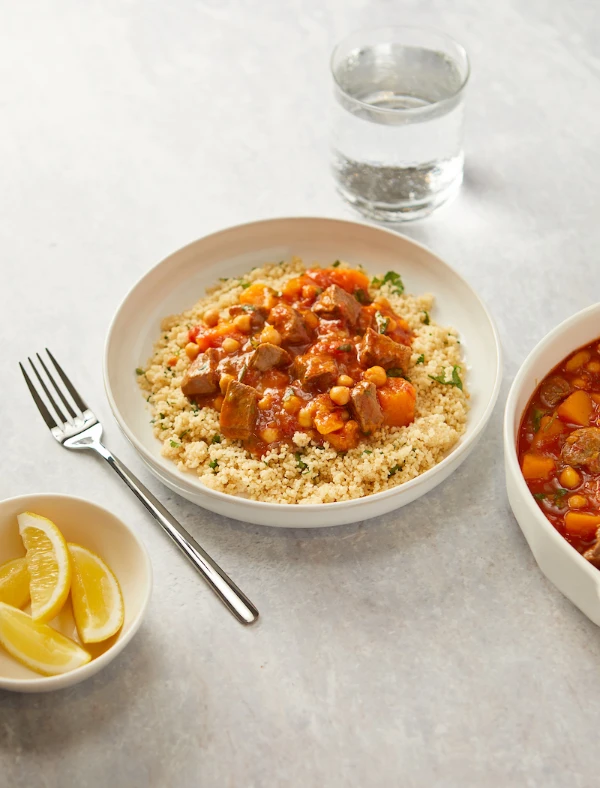
Lamb and chickpea tagine

Supporting collaboration across the food system 

One of the strongest themes emerging from the launch was the value of multidisciplinary working between professionals help shape the food environment within healthcare settings. Speakers repeatedly highlighted that meaningful improvements are most likely when stakeholder groups work together rather than in silos. 

The launch marks another step in AHDB’s collaboration with NHS stakeholders, and we look forward to continuing to share evidence, resources and practical insights that support the future of healthcare catering.