
A sustainable, healthy diet is essential for human and planetary health. It must be accessible, affordable, safe and socially and culturally acceptable.
Dairy foods play an important role in both population health and sustainable food systems in the UK. Calls to reduce animal-sourced foods for environmental reasons often overlook the impact this can have on population health, particularly in vulnerable groups, as well as ignoring the key benefits that UK farming systems can have for land use, water flow, carbon storage, habitat management and soil health.
‘Balancing health and sustainability: the role of dairy in the UK diet‘ was written by the AHDB Human Nutrition and Health team and independent nutrition experts.
The report brings together the latest evidence on dairy’s contribution to nutrient adequacy, health outcomes across the life course and environmental sustainability, providing healthcare professionals with an evidence-based overview of dairy’s role within healthy, balanced diets.
Dairy and health
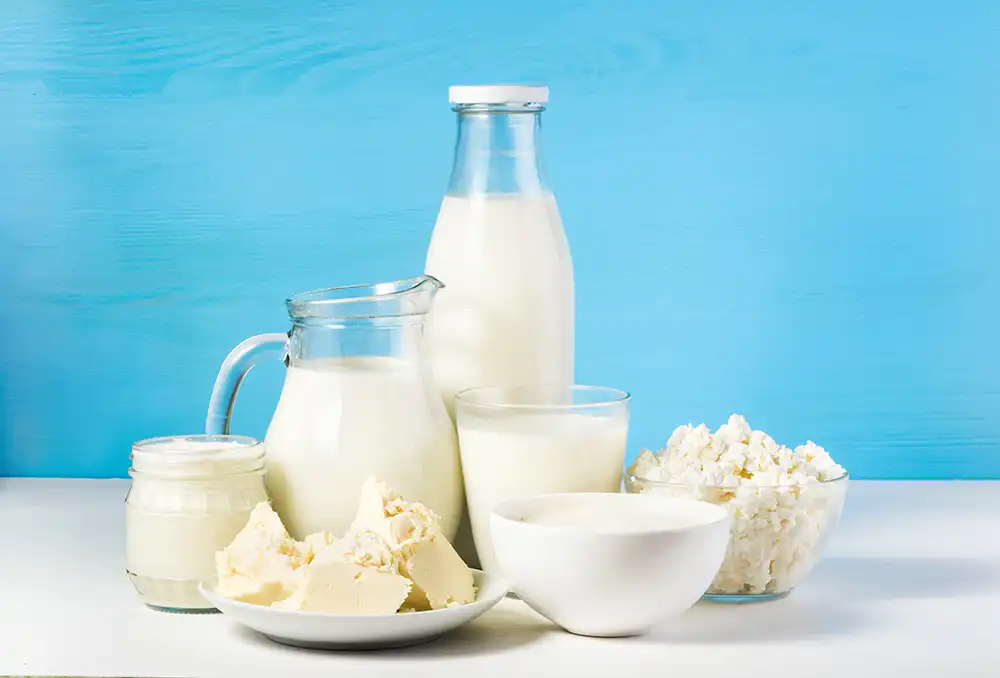
- Dairy foods provide high-quality protein and essential nutrients including calcium, iodine and B vitamins (such as riboflavin and B12) to help meet nutrient shortfalls in the UK.
- The UK’s Eatwell Guide recognises the important contribution dairy foods can make in providing key nutrients and conferring health benefits across the population, at all stages of life.
- Health benefits include preserving lean muscle mass and an overall neutral, or positive impact on heart health, especially fermented products such as yoghurt.
- There is strong evidence that low fat dairy may reduce the risk of colorectal and breast cancer, whilst moderate intake (especially yoghurt) may reduce the risk of developing type 2 diabetes.
- Dairy intake promotes peak bone mass development in children, slows bone loss in adults and reduces the chance of fractures in older adults.
- Considering the whole ‘dairy matrix’ is more beneficial that considering individual nutrients in foods such as milk, cheese and yoghurt.
Dairy and the environment
- Most water for dairy farms comes from rainfall and pollutants such as ammonia, nitrogen and phosphorus are actively reduced.
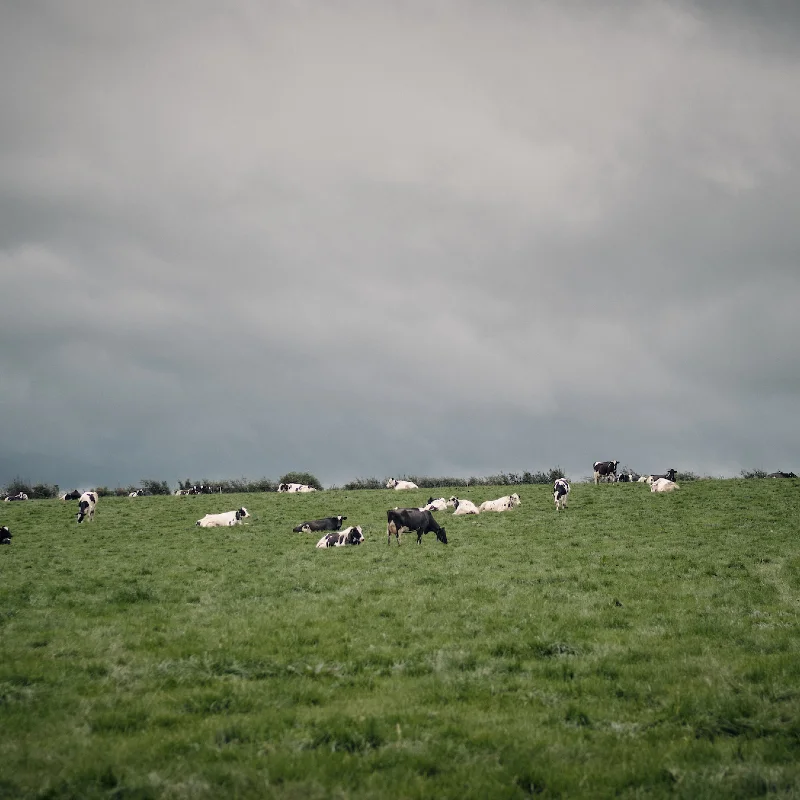
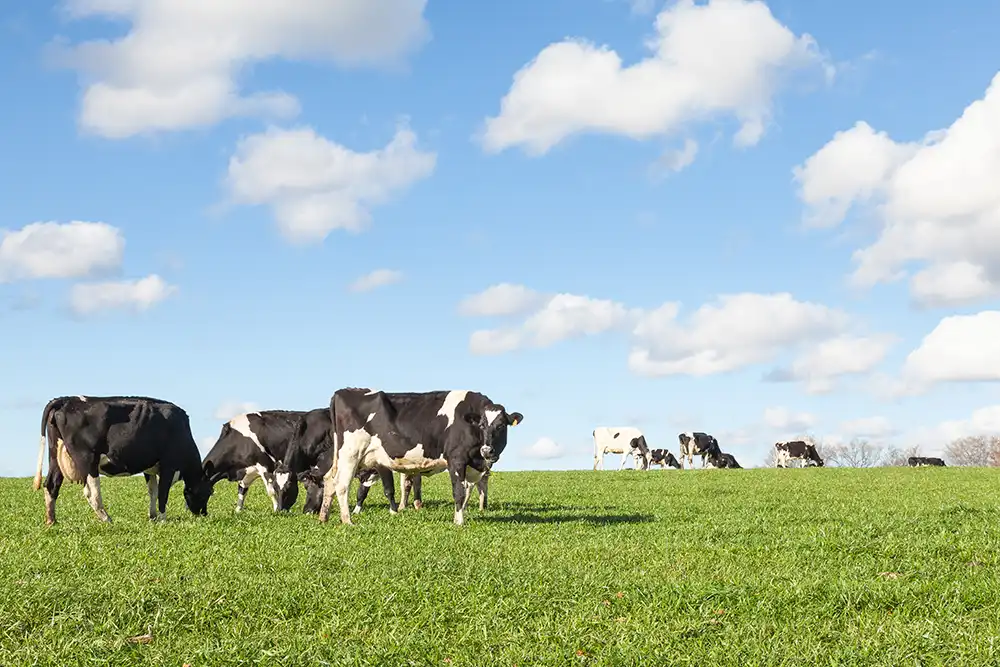
- Around 56% of UK farmland is permanent pasture or grassland, much of which is unsuitable for growing crops but can be used to produce nutrient dense foods through dairy farming.
- Since 1990, emissions intensity from UK milk production has reduced 22%. Milk production accounts for 2.8% of UK GHG emissions on a GWP100 basis (excluding potential carbon sequestration).
- This is important because UK dairy sector emissions are often compared to global averages, which can be misleading.
- National reporting often separates greenhouse gas emissions, and carbon storage and sequestration, which is why a whole-farm approach is needed to accurately account for net emissions and sequestration in carbon data.
- Accurately measuring the true environmental contribution of farms will help shape solutions and drive progress. AHDB’s baselining project is working towards this.
Read the reports here...
-
-
Balancing health and sustainability - Full report