Back to all news

How much red meat can you eat to remain within government guidelines?

Published

The current UK Government advises that people who are eating more than 90g/day (cooked weight) of red and processed meat should cut down to less than 70g/day to reduce the risk of colorectal (bowel) cancer.  This is in the context of a healthy, balanced diet containing plenty of plant-based foods such as wholegrains, vegetables and fruit.

The latest National Diet and Nutrition Survey reports that the average intake of red and processed meat in UK adults is 56g, with women (aged 19-64) averaging 44g/day and men (aged 19-64) averaging 69g/day.  However, mean intakes doesn’t give an indication of range; there is considerable variation in consumption within age groups in the UK population, such as in men aged 19-64 years, where intakes vary from 0-208g/day when comparing the 2.5th to 97.5th percentile.

Average weights of commonly consumed meats

Table 1. Average weights of commonly consumed meats
Type of meat Cooked weight Raw weight How to measure
Lean beef mince (note 1) 100g 125g About a quarter of a 500g pack size – use the size of pack as a guide
Beef burger (note 1) 80–100g (grilled) 120–150g Ready portioned
Lean rump steak (note 1) 130g(note 1) (grilled) 175g About half the size of your hand
Lean diced pork (note 1) 100g 150g Use the size of pack as a guide
Lean diced lamb (note 1) 100g 140g Use the size of pack as a guide
Lean beef stewing steak 100g 125g Use the size of pack as a guide
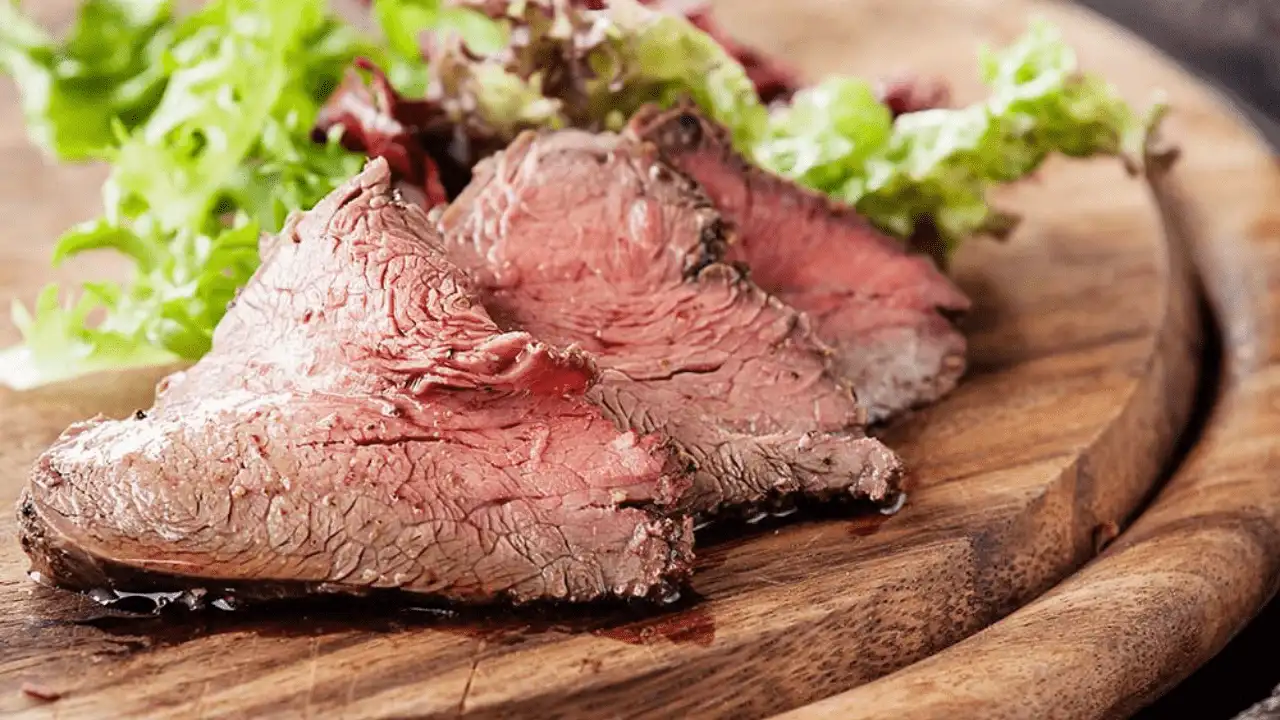
Portion of roast meat (note 2) 90g 130g(note 3) 3 thin-cut slices of roast lamb, beef or pork, each about the size of half a slice of sliced bread
Lamb or pork chop (edible portion) (note 3) 75g (fried or grilled) 110g Ready portioned
Sausages (2 standard size) (note 1) 90g (grilled) 114g Ready portioned
Bacon (2 slices) (note 1) 50g (grilled) 75g Ready portioned
Ham (1 slice) (note 2) 23g Not applicable Ready portioned

Be guided by pack size. For example if an average portion of raw weight is 125g this is a quarter of a 500g pack or around a third of a 400g pack.

  1. BNF portion size guide
  2. NHS website
  3. WCRF Red and Processed Meat

Suggestions of how meat combinations can represent about 500g maximum recommended intake over a week (using cooked weights) with meal suggestions

Combination 1
Lean beef mince 100g Use in a Bolognese sauce
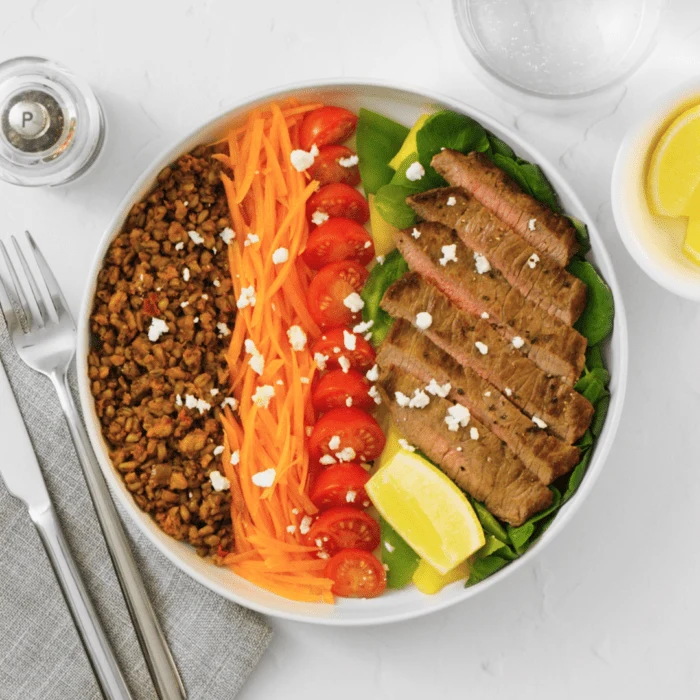
Lean beef rump steak 130g Cut in strips and use for fajitas with plenty of peppers and mushrooms
2 pork sausages (grilled) 90g For a weekend brunch with poached eggs, tomatoes and mushrooms
Lean diced lamb 100g In a lamb kebab with pitta, salad and herby yogurt dressing
Pork chop (edible portion) 75g Use in a tray bake with roasted vegetables
Total for the week 495g
Combination 2
Beef burger (grilled) 100g Served with sweet potato wedges and reduced fat or yogurt dressed coleslaw
Pork or lamb mince 100g In meatballs in a tomato sauce (e.g. made with canned chopped tomatoes and herbs) with rice or pasta
Lean beef steak (grilled) 130g Served with homemade chips, grilled tomatoes and peas
2 small lamb chops (grilled) 140g Served with quinoa or couscous, mint leaves, chickpeas and broccoli
1 ham slice 23g In wholegrain bread with mustard and plenty of salad
Total for the week 493g
Combination 3
Lean beef mince 100g In a potato topped pie or moussaka
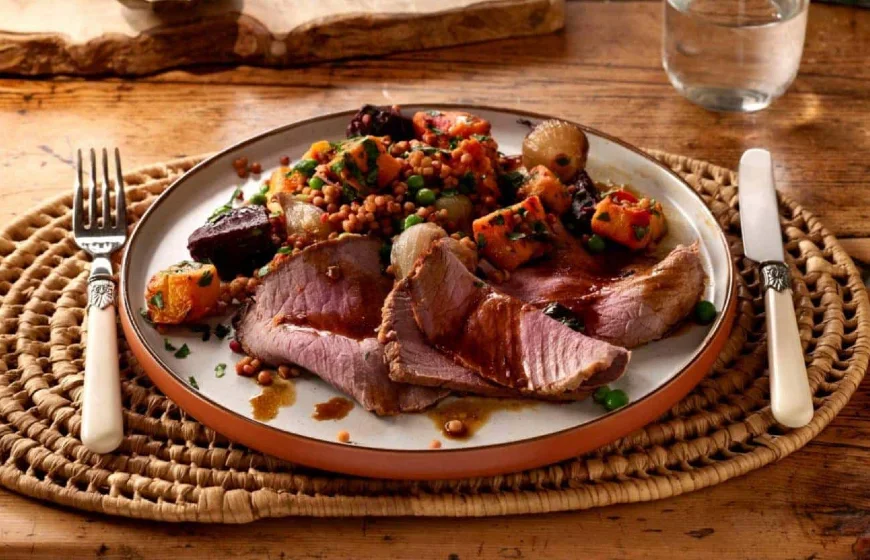
Roast beef 90g For a Sunday lunch
2 bacon slices (grilled) 50g In wholegrain bread with lettuce and tomato, and a small amount of reduced fat mayo
Beef stewing steak 100g In a beef, bean and vegetable stew
Lean pork loin steak 120g Thinly sliced in a stir fry with noodles and vegetables
Total for the week 460g

The portion sizes given are averages for healthy adults, based on a daily calorie allowance of 2000kcal – the amount estimated for an average, healthy weight adult woman. A smaller person or people trying to lose weight, may need smaller portions. If hand measures are used like in the example of rump steak, portion sizes will vary with the size of a person’s hands and so generally, bigger people will get bigger portions and smaller people will get smaller portions.

For high consumers of red and processed meat, NHS suggest the recommendations can be met by eating smaller portions of red and processed meat, eating these meats less often, or swapping some for alternative proteins such as beans and pulses.

The British Nutrition Foundation has reviewed the accuracy of the scientific content of this page (please note this does not include linked pages) on June 2, 2021.

The British Nutrition Foundation is not a lobbying organisation nor does it endorse any products or engage in food advertising campaigns.

For more information about the British Nutrition Foundation, please visit www.nutrition.org.uk