You may have seen conflicting headlines in the media with regards red meat and cancer risk. In this blog we look at the evidence and ask what can it tell us.
What do the experts say about red meat and cancer risk?
Comprehensive reviews of the evidence with regards cancer and dietary risk are important. Two expert organisations have recently reviewed the evidence on red meat and bowel (or colorectal) cancer – the International Agency for Research on Cancer (IARC), a part of the World Health Organization (WHO), and the World Cancer Research Fund (WCRF).
Both found that eating a lot of red meat is ‘probably’ a cause of bowel cancer, but the evidence for a link was stronger for processed meat. There does not appear to be strong evidence between red meat and the risk of other cancers.
Is red meat a cancer risk?
Even though the best available evidence has been used, IARC has explained that it is not possible to know for sure if there is a direct ‘cause and effect’ relationship for red meat and bowel cancer, because their conclusions are based on limited ‘epidemiological’ evidence. This can only provide information about ‘associations’, and there is normally a degree of uncertainty surrounding whether the findings in these studies are causal. It may be that there are other explanations, for example other aspects of their lifestyle such as lack of exercise, which can also affect the risk of cancer.
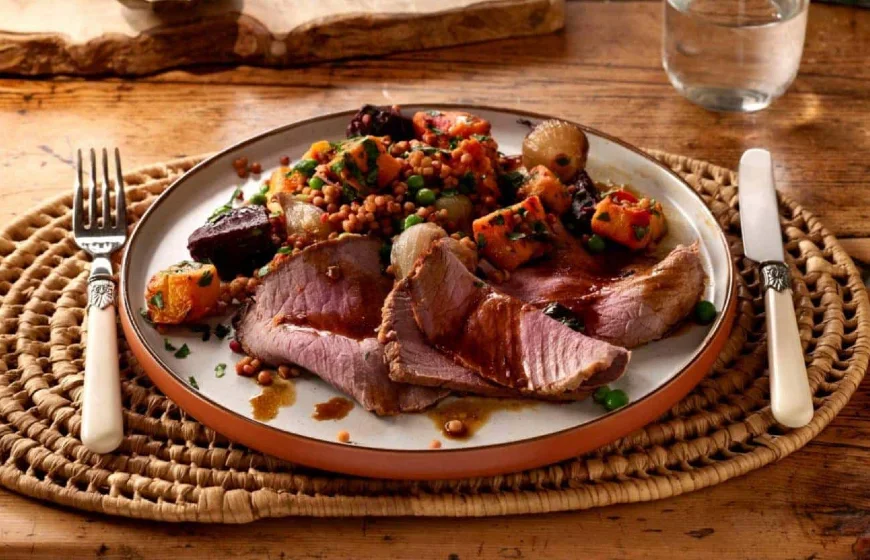
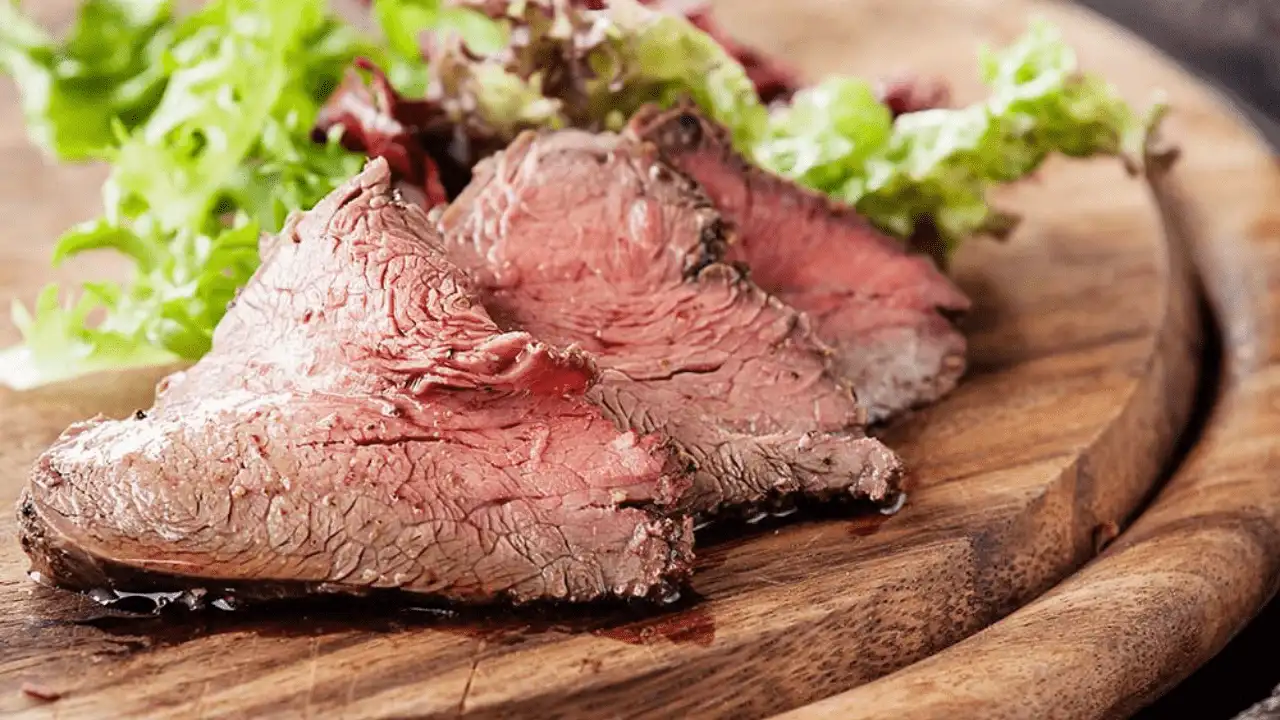
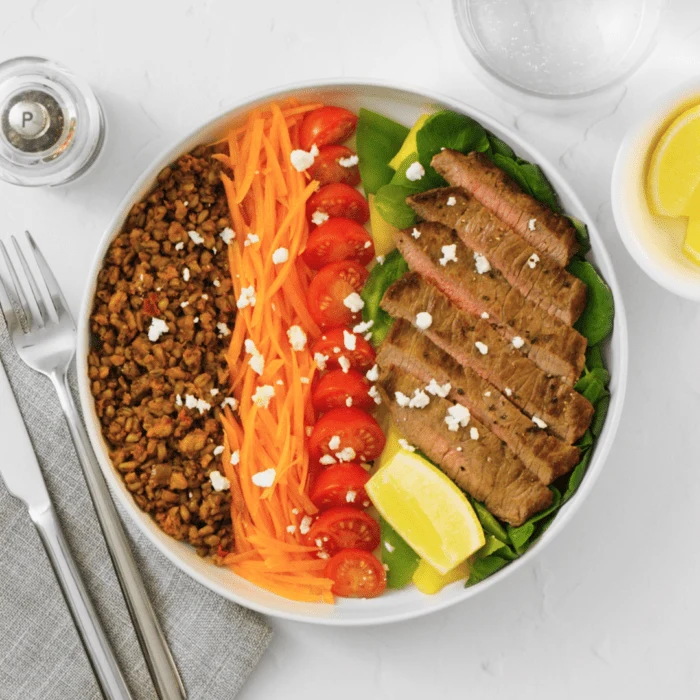
The WCRF panel concluded from its review that the evidence was strong enough to justify recommendations around reducing high red meat consumption, but not that we should totally cut out red meat from our diet. Instead, they advise limiting red meat to no more than three portions per week (around 350 to 500 g cooked weight – equivalent to about 525 to 700 g of raw meat: see box below). The WCRF acknowledge that red meat is a good source of protein and essential vitamins and minerals like iron and zinc, and balance their recommendation with the potential increase in bowel cancer risks from high intakes.